Books / Innovation

Innovation Books

How new ideas actually beat incumbents, and why most 'disruption' talk misunderstands how it really happens.

How new things actually beat established ones

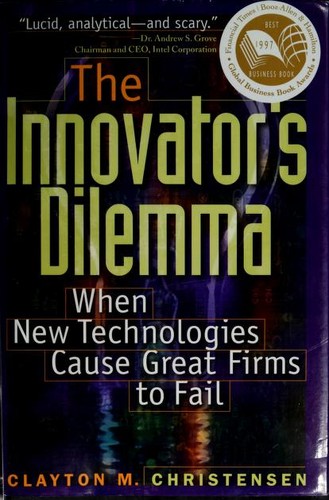
'Disruption' has been used so loosely that it now mostly means 'a competitor I did not expect'. The original idea was much more specific and much more useful: incumbents lose not because they are stupid or slow, but because listening carefully to their best customers rationally leads them away from the cheap, worse-looking product that eventually eats their market.

That is worth understanding properly whichever side of it you are on. If you are the small operator, it tells you where the opening is — the segment the established firm cannot serve profitably without damaging its own economics. If you are the established one, it explains why your instinct to defend margin is exactly how this ends.

The books here also cover how to test an idea before committing to it, which for a small business is the more immediately practical half. The discipline is running the cheapest experiment that could still tell you you are wrong, and being honest about the answer.

Short shelf, high hit rate. There is less genuinely original thinking in this category than the volume of writing about it suggests.
Where to start

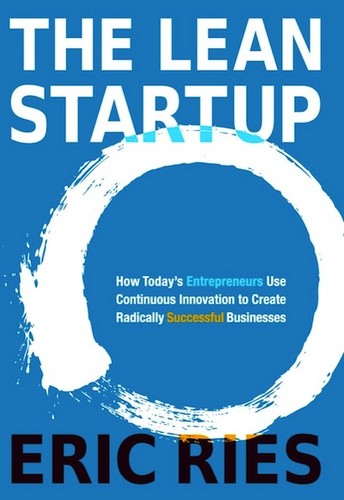
  • Highest rated here: The Lean Startup by Eric Ries — 8/10, about 6-7 hours. The fastest way to fail is to spend a long time building something in isolation before finding out whether anyone actually wants it.

Common questions

How many innovation books are on this list?

There are 2 in this category out of 105 reviewed across the whole list. Each one has a full review with ratings for practicality, readability, impact and difficulty, plus who it is for and who should skip it.

Which innovation book should I read first?

The Lean Startup by Eric Ries is the highest rated in this category at 8/10, and takes about 6-7 hours.

Do I need to read all of them?

No, and you should not try. Most business books contain one genuinely useful idea, and reading three in a category tells you which of them disagree and why — which is more valuable than finishing all of them. The reviews are written so you can decide from the page whether the book is worth your time.

Talk business with people who get it.

Join the Business Stuff Facebook group — UK founders, side-hustlers and small business owners swapping real advice, no gurus, no jargon.

Join the Facebook group
Powered by Buzz Accounting

Need an accountant who won’t bore you to death?

Business Stuff is run by the same people behind Buzz Accounting — fixed-fee accounting and advisory for UK founders who want a straight answer, not a lecture. Same energy as this site, just with a qualified accountant attached.

See how Buzz works →